
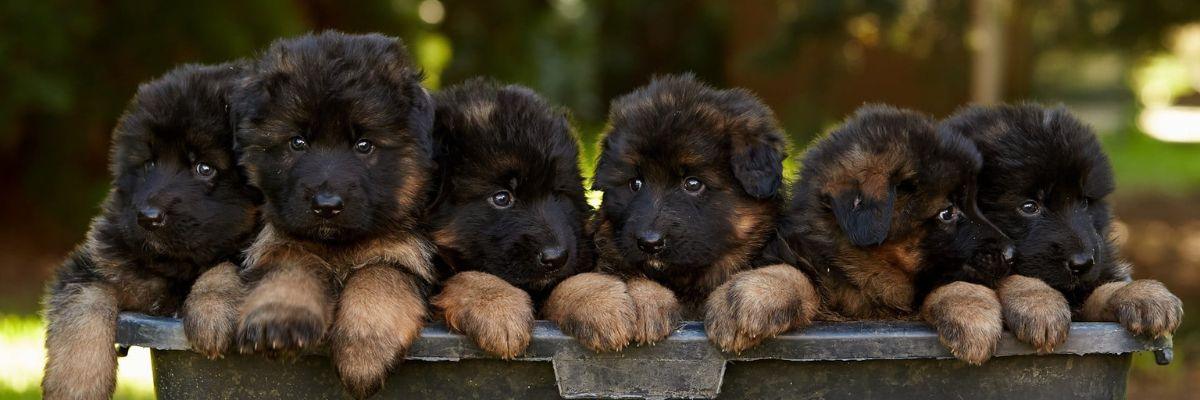
Bringing home a German Shepherd puppy is an exciting and rewarding journey. Known for their intelligence, loyalty, and work ethic, German Shepherds thrive on structure and direction—even from a young age Starting training early sets the foundation for a well-behaved adult dog and strengthens your bond. This guide walks you through every step, from crate training to socialization, ensuring you’re fully equipped to raise a confident, well-mannered companion.
1. Understanding Your German Shepherd Puppy
German Shepherds are widely regarded as one of the most intelligent and versatile dog breeds . These dogs excel as working partners—in roles such as service, police, and search & rescue—because of their high trainability and keen focus. However, their intelligence also means they require significant mental stimulation and structured routine. Without this, their energy can turn into destructive behaviors such as chewing, digging, or barking .
Consistency, patience, and positive reinforcement are essential. Training sessions should be short—just a few minutes per command—but frequent. Start with clear signals and reward good behavior, ensuring your puppy understands expectations and builds confidence.
2. Essential Supplies for Training
Here’s what you’ll need to train effectively:
-
Crate (appropriately sized, with divider)
-
Soft bedding or mat
-
High-value treats (small and convenient)
-
Clicker (optional, for positive reinforcement)
-
Leash and harness
-
Puppy pads (optional for indoor use)
-
Interactive toys (e.g., KONG)
-
Treat pouch or container for easy access
3. Training Timeline Overview
Establish training goals aligned with developmental stages:
-
8–16 weeks: Crate training, housetraining, socialization
-
3–9 months: Obedience basics (sit, stay, come), impulse control, recall, leash manners
-
Up to 6 months: Polite play, bite inhibition, being alone, advanced impulses
Throughout, reinforce positive behaviors with treats and praise, and stay consistent.
4. Step‑by‑Step Training Guide
4a. Crate Training (≈200 words)
Crate training can prevent destructive behavior and support housetraining Choose a crate just big enough to stand, turn, and lie down. Use dividers to adjust its size as your puppy grows.
Steps:
-
Encourage exploration by placing treats inside.
-
Feed meals in the crate.
-
Begin with short stays (5–10 min), gradually extending time
-
Provide comfort toys like a stuffed KONG for distraction
-
Reward calm behavior, never use crate for punishment
Crate training also helps with separation anxiety and establishes a safe den-like retreat.
4b. Potty Training
Potty training goes hand‑in‑hand with crate use, leveraging dogs’ natural aversion to soiling their den
Best Practices:
-
Take the puppy outside first thing in the morning, after meals, play, and naps
-
Follow the “age + 1” rule: a 3‑month‑old puppy can hold for ~4 hours
-
Offer immediate treats and praise upon success
-
If accidents occur, interrupt gently and redirect—it’s not punishment time.
-
Keep the crate just right-sized; too large allows inside messes
Over time, this routine builds reliability.
4c. Teaching Basic Commands
Basic obedience—sit, stay, come, down—is critical for safety and control.
Approach:
-
Keep sessions short (3–5 minutes), multiple times daily.
-
Use treats as rewards; gradually fade to praise.
-
Start in low-distraction environments, then increase difficulty.
Command Examples:
-
Sit: Hold treat above head, say “sit.” Once seated, reward.
-
Stay: From sit, give “stay,” step back, increase distance/time gradually.
-
Come: Use a long leash, say “come,” reward when returning.
-
Down: Lure puppy down with treat, mark and reward.
German Shepherds are quick learners; consistency and repetition reinforce excellent recall and obedience .
4d. Socialization (≈170 words)
Socialization is vital and should begin early—prioritize exposure before 12–16 weeks
Steps:
-
Introduce new people (adults, kids) in calm settings.
-
Expose to varied environments: parks, streets, vet, car rides
-
Seek out brief puppy classes—AKC S.T.A.R. Puppy is a great start
-
Encourage handling—touch paws, ears, mouth gently to build tolerance.
Always add treats and praise so new experiences are positive. This builds confidence and safeguards against fear or aggression in adulthood.
4e. Leash Training & Walking Etiquette
Proper leash manners are essential:
-
Use a harness for comfort and control.
-
Begin indoors, letting puppy walk with loose leash.
-
Stop when they pull; start walking again once slack returns.
-
Reward walking beside you.
-
Take gradual steps outside—busier areas later.
-
Practice “heel” when safe and appropriate.
German Shepherds have a strong drive; consistent leash control ensures safe, enjoyable walks.
4f. Addressing Behavioral Challenges
Biting & Mouthing
Redirect to chew toys. For rough play, stop immediately—then resume when calm
Chewing
Provide safe chew items. Puppy-proof your home and praise use of appropriate toys.
Barking
Identify triggers and use white noise or toys. For attention-seeking barks, ignore until quiet—then reward.
Jumping
Teach “sit” as greeting cue. Reward four feet on the floor.
Always reinforce calm behavior, consistency is key.
Conclusion
Training a German Shepherd puppy is a rewarding challenge—one that demands structure, consistency, and positive reinforcement. From crate and potty training to socialization, obedience, and fun behavioral tasks, this guide offers a comprehensive roadmap. Remember: training builds trust and sets the foundation for a lifelong bond. Celebrate milestones, stay patient, and enjoy the journey.
Frequently Asked Questions (FAQ)
Q: When can I start leash walks?
As soon as your puppy has initial vaccinations—around 8–10 weeks. Start slow and short, gradually increasing.
Q: How long should training sessions be?
Keep them short: 3–5 minutes per session, multiple times daily to hold focus.
Q: My puppy cries in the crate at night—what should I do?
Place the crate near your sleep area and respond quickly during the night. Bladder control gradually improves with age